Brief History of Holkar Dynasty
Here’s a detailed history of the Holkar dynasty — one of the prominent Maratha-ruled houses in central India.
Origins
The Holkars belonged to a Maratha clan of Dhangar (shepherd) origin. The surname “Holkar” is said to derive from the village of Hol (or Hal) near Pune: Hol + kar (“inhabitant of”). The founder, Subhedar Malhar Rao Holkar (1693-1766), began as a cavalryman under the leadership of the Peshwa of the Maratha Empire.
Rise to Power
In 1724, Peshwa Baji Rao I gave Subhedar Malhar Rao Holkar command of 500 horsemen and made him his chief general in the Malwa region. Over the 1720s-1730s, Subhedar Malhar Rao Holkar gained control of parganas (administrative units) around Indore (present‐day Madhya Pradesh) and established his own principality. He built his power base in Malwa, eventually making his headquarters around Indore and Maheshwar.
The Holkar State: Golden Era under Devi Ahilyabai Holkar
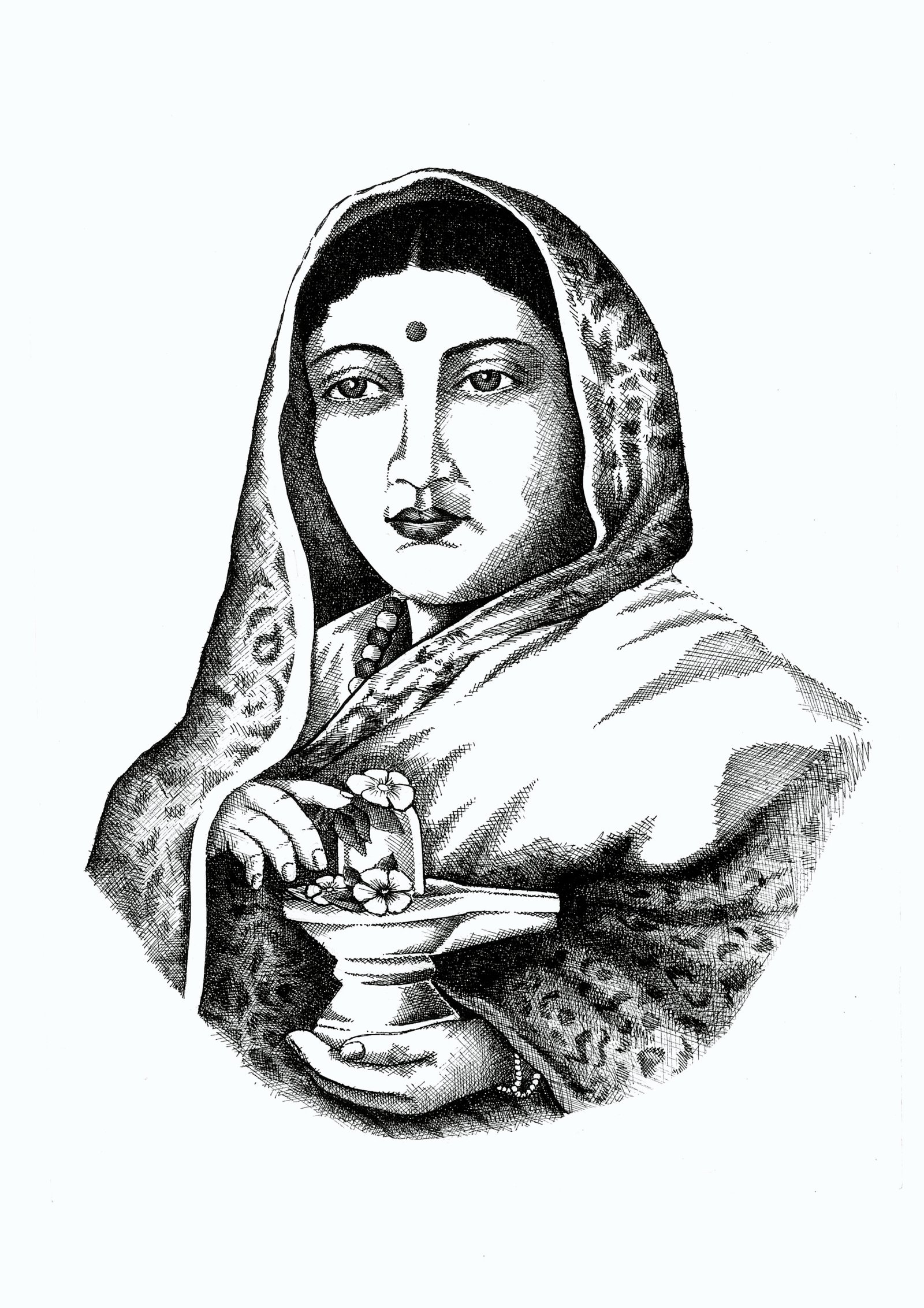
After Subhedar Malhar Rao’s Holkar death in 1766, his daughter‐in‐law Devi Ahilyabai Holkar (1725-1795) effectively took over and ruled from 1767 to 1795. Devi Ahilyabai Holkar is celebrated for her good governance, social reforms, temple construction and patronage of arts. She moved the administrative capital from Indore to Maheshwar on the Narmada river, and made significant cultural contributions — e.g., temple building across India and promoting trade (notably the Maheshwari sarees).
Challenges, Succession and British Interactions
After Devi Ahilyabai’s Holkar reign, the Holkar state went through a period of internal strife—succession disputes, weak rulers, and pressure from both other Maratha houses and the British.
During the Second Anglo‐Maratha War (1803 onward), the Holkar’s had to contend with the British and eventually entered into subsidiary alliances, becoming a princely state under British suzerainty.
The Holkar state continued to exist as a princely state with reduced autonomy until Indian independence (1947) and then merged into India.
Legacy
The Holkar dynasty left architectural and cultural legacies: palaces (e.g., Rajwada in Indore), forts, temples, and the weaving industry of Maheshwar. Their rule is often considered a period of relative stability and enlightened governance in Malwa under Ahilyabai’s reign. Their story also reflects the broader transformation of Maratha power—military expansion, fragmentation, engagement with the British, and eventual absorption into independent India.